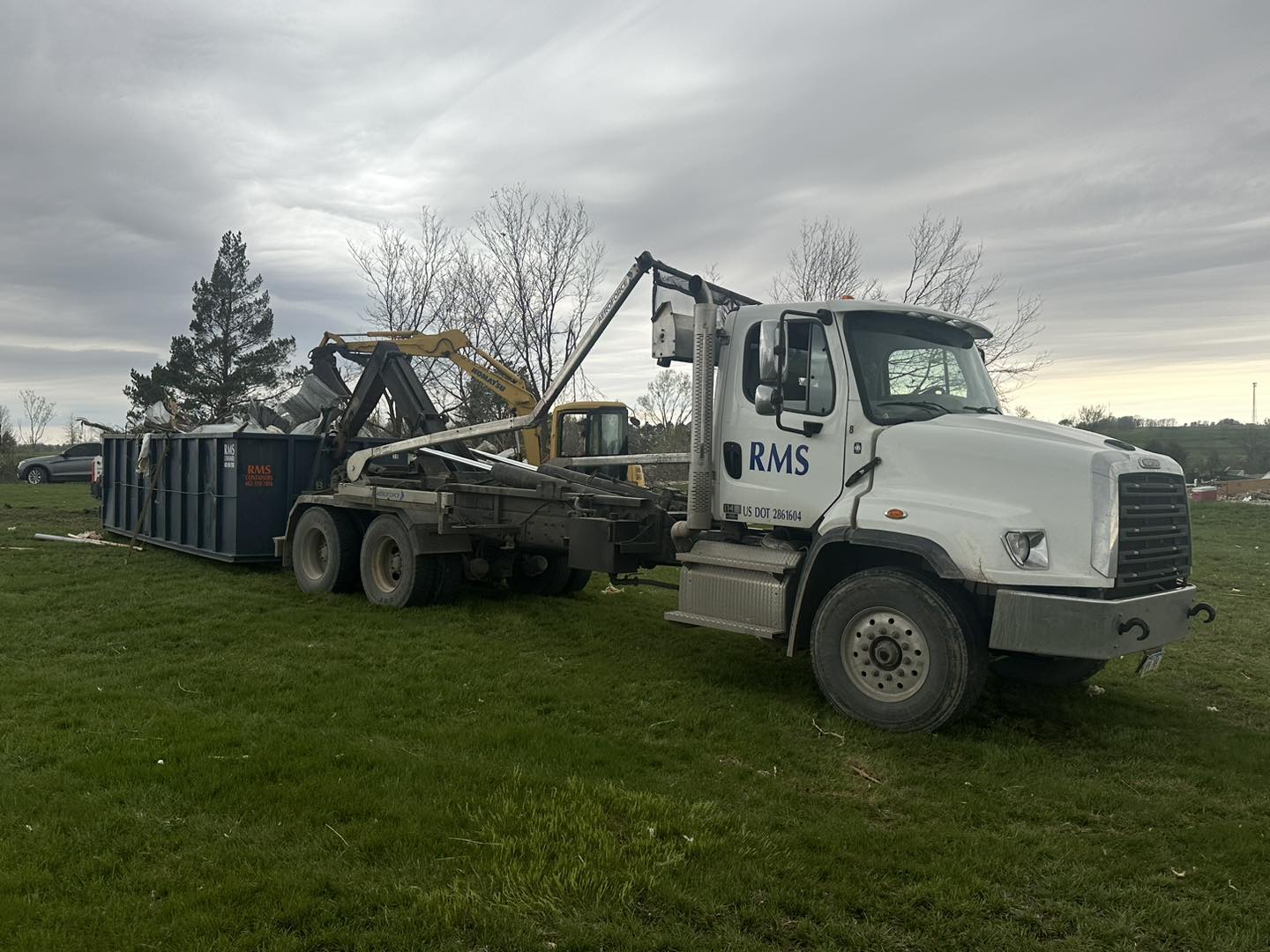
When it comes to cleaning out a home, managing a renovation project, or handling debris from a large cleanup, renting a dumpster can make the process much more convenient. A dumpster offers one central location for unwanted materials, helping you keep your work site clean and organized. But despite its convenience, not every item is suitable for dumpster disposal. Many substances are restricted by law or pose safety and environmental hazards, so knowing what’s off-limits can help you stay compliant and avoid penalties.
Here at RMS Dumpsters, our mission centers on providing dumpster rentals while encouraging responsible disposal habits. We aim to ensure our customers enjoy efficient dumpster use without compromising on proper waste handling. Being aware of restricted materials keeps you in line with regulations and promotes safe disposal. Below are ten examples of items you should never throw into a dumpster and the reasons they require specialized disposal.
1. Hazardous Chemicals and Liquids
Materials including solvents, cleaners, pesticides, and other chemicals present significant dangers if dumped in a dumpster. They can combine with other materials, releasing dangerous vapors that threaten both human health and nature. When they reach a landfill, they can contaminate soil and groundwater, causing long-term damage to the ecosystem.
Rather than disposing affordable dumpster rentals crescent ia of these materials in a dumpster, bring them to an approved hazardous waste center. Local waste management centers often host special collection days for safe chemical disposal. Handling hazardous waste responsibly protects both public safety and the environment.
2. Paints, Oils, and Automotive Fluids
Motor oil, paint, and other automotive fluids contain hazardous substances, making them inappropriate for dumpster disposal. Even if they seem harmless, these liquids can spill or leak through containers, contaminating other waste or seeping into the ground. Latex paint might seem like an exception, but it still needs to be properly dried before disposal.
Local repair shops and recycling programs typically accept these fluids for correct disposal or recycling. Many oils can be reprocessed and used again, minimizing environmental impact. Putting effort into correct disposal supports sustainability and responsible waste management.
3. Batteries
Batteries hold chemicals including mercury and cadmium that can severely pollute ecosystems if not disposed of properly. Dumped batteries leak hazardous metals that contaminate soil and water supplies. This is especially true for rechargeable or car batteries, which hold larger amounts of these hazardous materials.
A wide range of electronic retailers now accept old batteries for recycling. When you recycle used batteries, they’re safely processed, and reusable metals are reclaimed. Your responsible action helps protect the environment and reduce contamination.
4. Why Tires Don’t Belong in a Dumpster
Used tires are often mistakenly placed in dumpsters, but they should not be. Due to their design and durability, they do not fit the requirements for landfill disposal. Trapped gases inside tires can cause them to float to the surface and compromise landfill safety. Improper disposal of tires often leads to pest infestations and unsanitary conditions.
Many tire dealers and recycling facilities welcome old tires for correct disposal. Many facilities repurpose them into playground materials, road construction products, or energy sources through safe incineration. By recycling tires, you help minimize landfill waste and promote the creative reuse of rubber.
5. Electronic Devices and Home Appliances
Household devices such as televisions, computers, and appliances include elements that should never be thrown into a dumpster. Inside these products are materials such as mercury, lead, and refrigerants that can negatively affect the environment. Dumping these items without proper handling can result in fines and environmental contamination.
E-waste recycling programs are the best way to manage old electronics and appliances. Such facilities break down old devices in a safe manner and separate components for recycling. Participating in such programs helps reduce electronic waste and promotes responsible resource recovery in the tech and appliance industries.
6. Medical Waste
Used medical supplies or leftover medications require careful handling to prevent hazards. Throwing them into a dumpster creates serious health risks for sanitation workers and anyone who may come in contact with the waste. Improperly managed medical waste can spread diseases and cause contamination.
Hospitals, pharmacies, and clinics usually have designated programs for collecting and disposing of medical waste safely. Many communities provide secure drop-off locations for unused drugs and sharp items. Taking advantage of these services promotes public health and responsible waste management.
7. Dangerous Flammable Materials to Avoid Throwing in Dumpsters
Explosive or combustible items such as fireworks, gas, and pressurized containers pose serious dangers when dumped. Even when empty, these items can retain pressure or fumes that could ignite or explode under certain conditions. Disposing of them improperly puts waste handlers and bystanders at risk.
Such dangerous substances should be taken to approved hazardous waste centers for proper handling. Propane dealers often accept empty tanks to ensure safe recycling and depressurization. Correct disposal practices protect both property and people from hazardous incidents.
8. Refrigerators and Air Conditioners
Refrigerators, freezers, and air conditioners contain refrigerants and chemicals that are harmful to the environment if released. Improper disposal releases refrigerants that can contribute to global pollution. Because dumpsters lack the tools to handle these chemicals, such items are banned from normal disposal.
Some recycling facilities and appliance stores accept these items and ensure they are processed correctly. Authorized specialists remove harmful chemicals before recycling the rest of the appliance. By doing this, we prevent pollution and encourage the reuse of metals and components.
9. Excess Yard Waste and Proper Disposal
While small amounts of yard debris are often acceptable in dumpsters, large quantities of organic waste should not be mixed with regular trash. Organic materials like grass and leaves are better suited for composting rather than landfill disposal. Mixing them with other waste prevents them from breaking down naturally and contributes to unnecessary landfill buildup.
To dispose of yard waste properly, look into composting or local green recycling programs. Composting creates fertile soil that supports healthy gardens and lawns. By keeping yard waste out of dumpsters, you help reduce landfill strain and support sustainable waste management.
10. Toxic Construction Materials That Require Special Handling
Asbestos, lead-based paint, and certain types of insulation materials are highly dangerous and must be handled by professionals. When disturbed, asbestos fibers can become airborne and cause severe health issues if inhaled. Disposing of these materials in a dumpster can violate laws and create serious safety hazards.
For older property projects, seek professional help for identifying and removing harmful substances. Proper containment and disposal processes are vital for keeping both workers and the community safe. Handling these materials correctly is critical to protecting both health and the environment during renovation or demolition projects.
Responsible Waste Disposal for a Cleaner Future
Responsible waste handling is not just a rule to follow but a pledge to protect the planet and community. Being mindful of what goes into a dumpster helps prevent pollution, ensures compliance with waste regulations, and promotes sustainability. Every responsible disposal decision contributes to a cleaner and healthier environment for future generations.
At RMS Dumpsters, we continue to support eco-friendly waste solutions through our trusted dumpster rental services. By understanding which items require special disposal, you can make the most of your rental while keeping safety and environmental standards in check. Collective responsibility makes proper waste disposal effortless and beneficial for everyone.